Signs Your AC Unit Needs Repair Before It Fails Completely
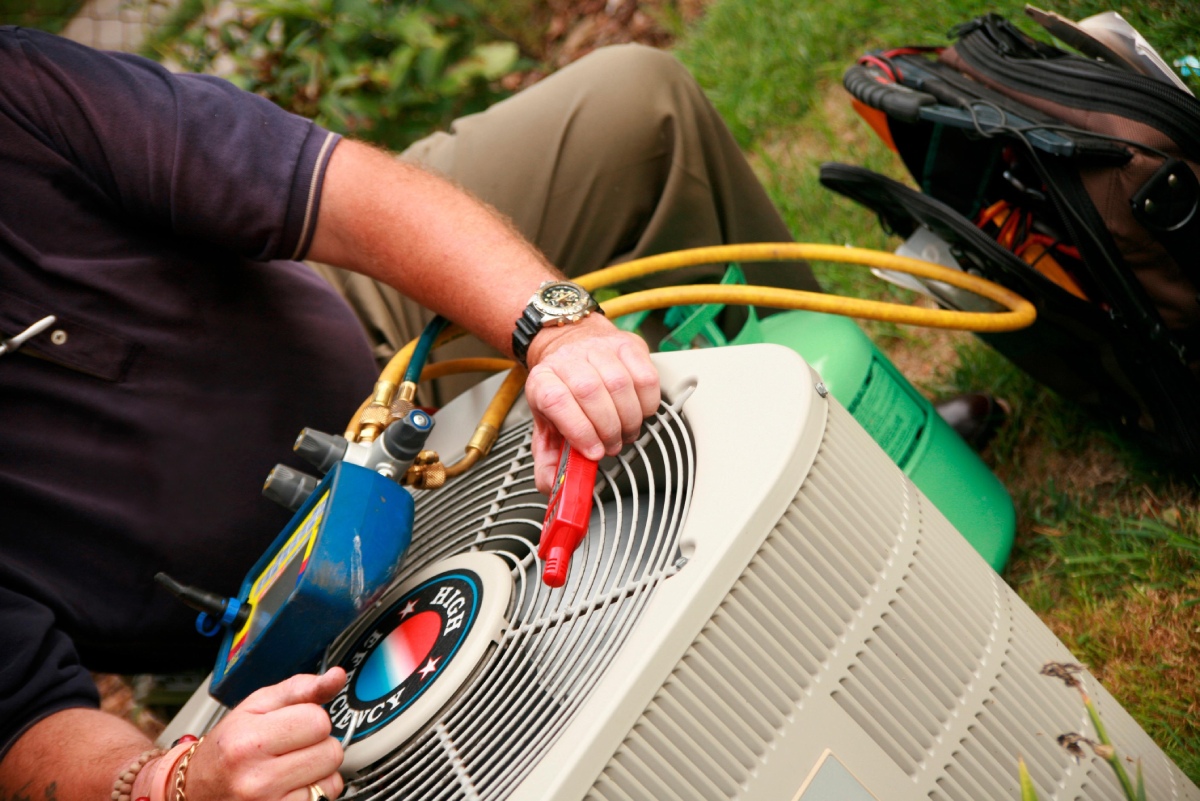
A failing air conditioner rarely stops working without warning. Warm air, unusual sounds, higher energy bills, and short cycling are all signals that something is wrong before the system quits entirely. Catching these signs early is the difference between a straightforward AC repair and a full emergency replacement on the hottest day of a Southwest Florida summer. This article covers the five most common warning signs, how to tell minor from major problems, and when to call a technician.
5 Warning Signs Your Air Conditioner Is Struggling and What to Do About Them
The five most telling signs of AC trouble are: warm or inconsistent airflow, unusual sounds like grinding or squealing, ice forming on the coil or refrigerant lines, water pooling near the indoor unit, and energy bills rising without a change in usage. Any one of these warrants a call to an HVAC technician before the problem worsens.
Warm air coming from the vents is the most obvious sign, but homeowners often delay calling because the system is technically running. That delay is expensive. When an AC unit blows warm air, the likely causes include low refrigerant from a leak, a failing compressor, or a dirty evaporator coil. Left alone, each of those problems gets worse and more costly to fix.
Unusual sounds deserve immediate attention. A well-functioning air conditioner should produce a steady, low hum. Grinding suggests the motor bearings are worn. Squealing often indicates a failing blower belt or motor. Banging usually means something has come loose inside the unit. None of those sounds resolve on their own.
- Warm or inconsistent airflow from vents, even when the thermostat is set correctly
- Grinding, squealing, or banging sounds coming from the indoor or outdoor unit
- Ice buildup on the evaporator coil or refrigerant lines
- Water pooling or visible moisture around the indoor air handler
- Energy bills rising month over month without a change in temperature settings
- System cycling on and off more frequently than usual (short cycling)
Ice on the coil or lines confuses a lot of homeowners because the system feels cold, so the ice looks like it’s working. It isn’t. Ice forms when airflow is restricted or refrigerant pressure drops, and it blocks the system from functioning normally. Turn the unit off and call for an AC repair service rather than letting it run.
| Warning Sign | Likely Cause | DIY Fix? | Action Needed |
| Warm air from vents | Low refrigerant or dirty coil | No | Call technician |
| Clogged air filter | Lack of regular filter changes | Yes | Replace filter immediately |
| Ice on coil or lines | Low airflow or low refrigerant | No | Shut off; call for repair |
| Grinding or squealing sounds | Worn motor or belt | No | Call technician |
| Water pooling indoors | Blocked drain line | Sometimes | Clear drain; call if recurring |
| Rising energy bills | Dirty coil, low refrigerant, aging system | No | Schedule AC tune-up |
How to Tell the Difference Between a Minor AC Problem and a Major Breakdown
Minor AC problems, like a clogged filter, a tripped circuit breaker, or a blocked drain line, are inexpensive and quick to fix. Major problems, including compressor failure, refrigerant leaks, or failing evaporator coils, require professional repair or system replacement. The age of the unit and the cost of the repair relative to a new system are the two deciding factors.
A clogged air filter is the most common cause of reduced airflow and system strain, and it costs almost nothing to fix. Before calling for help, check the filter. If it’s gray and matted, replace it and give the system 30 minutes to stabilize. If airflow improves, you may have solved the problem yourself. If it doesn’t improve, the issue runs deeper.
Compressor failure is the clearest case where repair costs approach or exceed replacement value. A new compressor for a residential AC unit can run $1,200 to $2,500 in parts alone, and if the system is eight years old or more, that money is better invested in a new, higher-efficiency unit. J&D’s technicians lay out both options clearly during the diagnostic visit so homeowners can make an informed decision without pressure.
Refrigerant leaks fall somewhere in the middle. The leak itself must be found and sealed before recharging, and that process takes time. If the leak is in an accessible location and the system is relatively new, repair makes sense. Leaks in the evaporator coil, which is harder to access and more expensive to replace, often tip the math toward replacement.
When to Call an HVAC Technician: AC Repair Red Flags Homeowners Shouldn’t Ignore
Call an HVAC technician immediately if your system stops cooling entirely, produces burning smells, shows ice buildup on the lines, or has been short cycling for more than a day. These aren’t problems that self-correct. Waiting extends the damage and, in Southwest Florida’s summer heat, can create a genuine safety risk for household members who are vulnerable to heat.
A burning smell from the vents is never minor. It signals either an electrical component that’s overheating or, in worse cases, a motor winding burning out. Turn the system off and call for emergency air conditioner repair. Running a unit that smells of burning risks additional component damage and, in rare cases, fire.
Short cycling, where the system turns on and runs for only a minute or two before shutting off and starting again, strains the compressor with repeated startup loads. The compressor is the most expensive component in the system. Every short-cycle start shortens its lifespan, so a system short cycling for more than a few hours needs a technician on site that day.
J&D offers 24/7 emergency AC repair across Lee, Collier, and Charlotte Counties. With 30 fully equipped service vehicles and more than 60 NATE-certified technicians, response time stays short even during peak summer demand. Getting someone out quickly is usually what separates a manageable repair from an emergency AC replacement.
Frequently Asked Questions
How often should a Southwest Florida homeowner have their AC serviced to prevent breakdowns?
Annual professional maintenance is the baseline recommendation, but in Florida’s year-round cooling climate, twice-yearly service, once in spring before the peak season and once in fall, is the smarter approach. Each visit includes coil cleaning, refrigerant level checks, drain line flushing, and a full electrical inspection. Catching a worn capacitor or a slightly low refrigerant charge during a tune-up costs a fraction of what an emergency AC repair call costs in July.
What should I do if my AC stops cooling completely on a weekend?
Start with the basics: check the thermostat settings, replace the filter if it’s visibly dirty, and check the circuit breaker panel for a tripped breaker. If none of those resolve the issue, call J&D’s 24/7 emergency line. Running a system that isn’t cooling properly risks damaging the compressor further. In Southwest Florida heat, a non-cooling system can also create dangerous indoor temperature conditions within a few hours.
Is it worth repairing an AC unit that’s more than 10 years old?
It depends on the repair cost and the unit’s overall condition. The industry guideline is to multiply the repair cost by the system’s age. If that number exceeds $5,000, replacement is generally the better investment. A system older than 12 to 15 years is also likely running at a SEER rating well below current standards, meaning a new unit will pay back some of its cost through lower monthly energy bills. J&D provides honest guidance on this during the diagnostic visit.
Why does my air conditioner keep tripping the circuit breaker?
Repeated tripping usually points to one of three things: the circuit is drawing more current than the breaker is rated for, the compressor is struggling and pulling excess amperage, or there’s a wiring issue inside the unit. A tripped breaker is the electrical system doing its job and protecting the equipment. Resetting it once is fine, but if it trips again, shut the system down and call for an AC unit repair. Continuing to reset without diagnosis risks a more serious electrical failure.
Can low refrigerant damage my AC system permanently?
Running a system significantly low on refrigerant can damage the compressor. The compressor relies on refrigerant returning from the evaporator coil to stay cool during operation. When refrigerant is low, the compressor runs hotter than it’s designed to, accelerating wear on the windings and bearings. Caught early, a refrigerant recharge after finding and fixing the leak is a manageable repair. Left running for weeks in that condition, the compressor failure that follows is far more expensive to address.